Failed Backflow Test on a Fire Suppression System? Here's Why It Happens
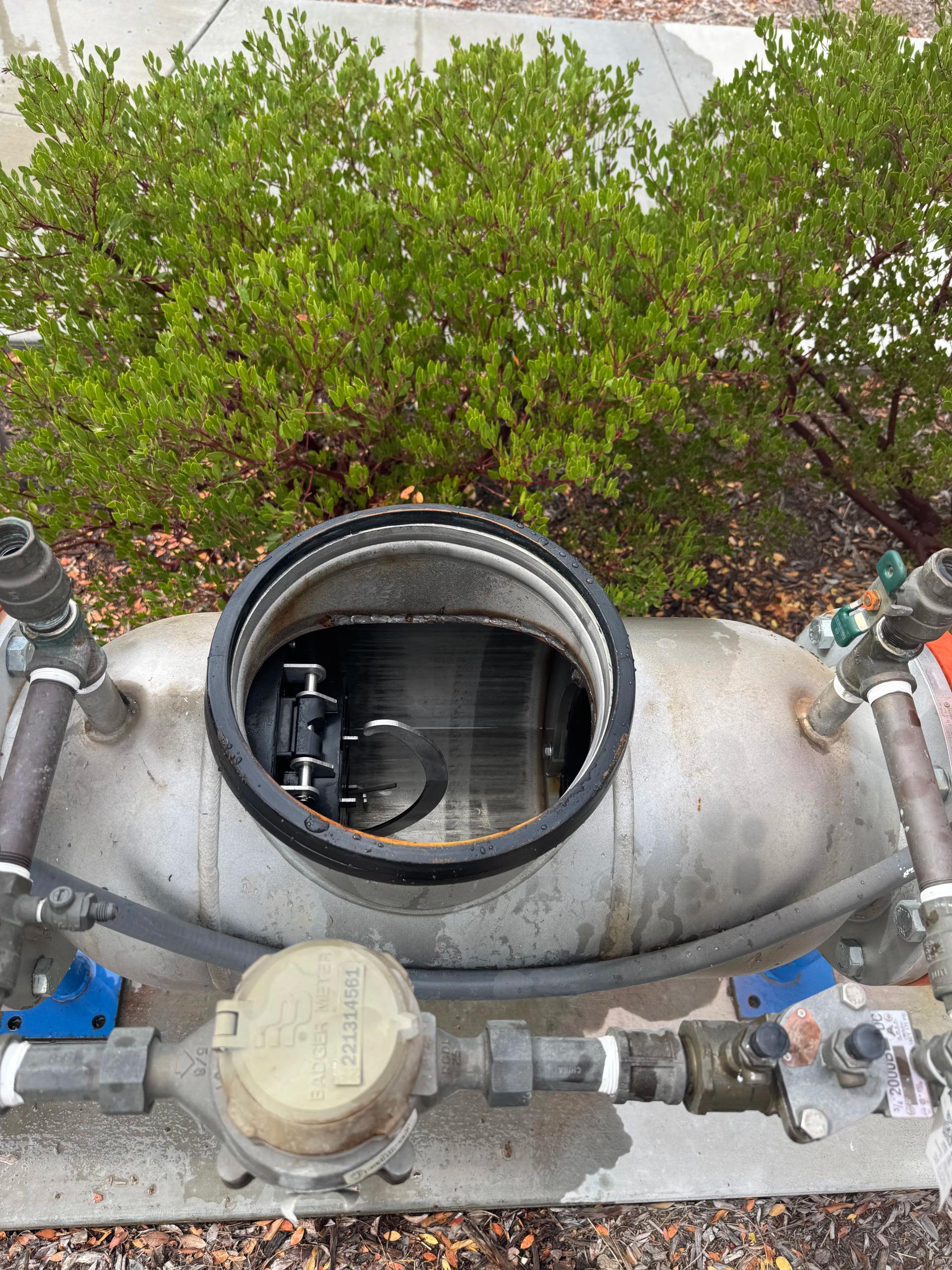
A failed backflow test is not just a paperwork problem. It's a sign that something inside the device needs attention - and when that device is protecting a fire suppression system, it's worth taking seriously.
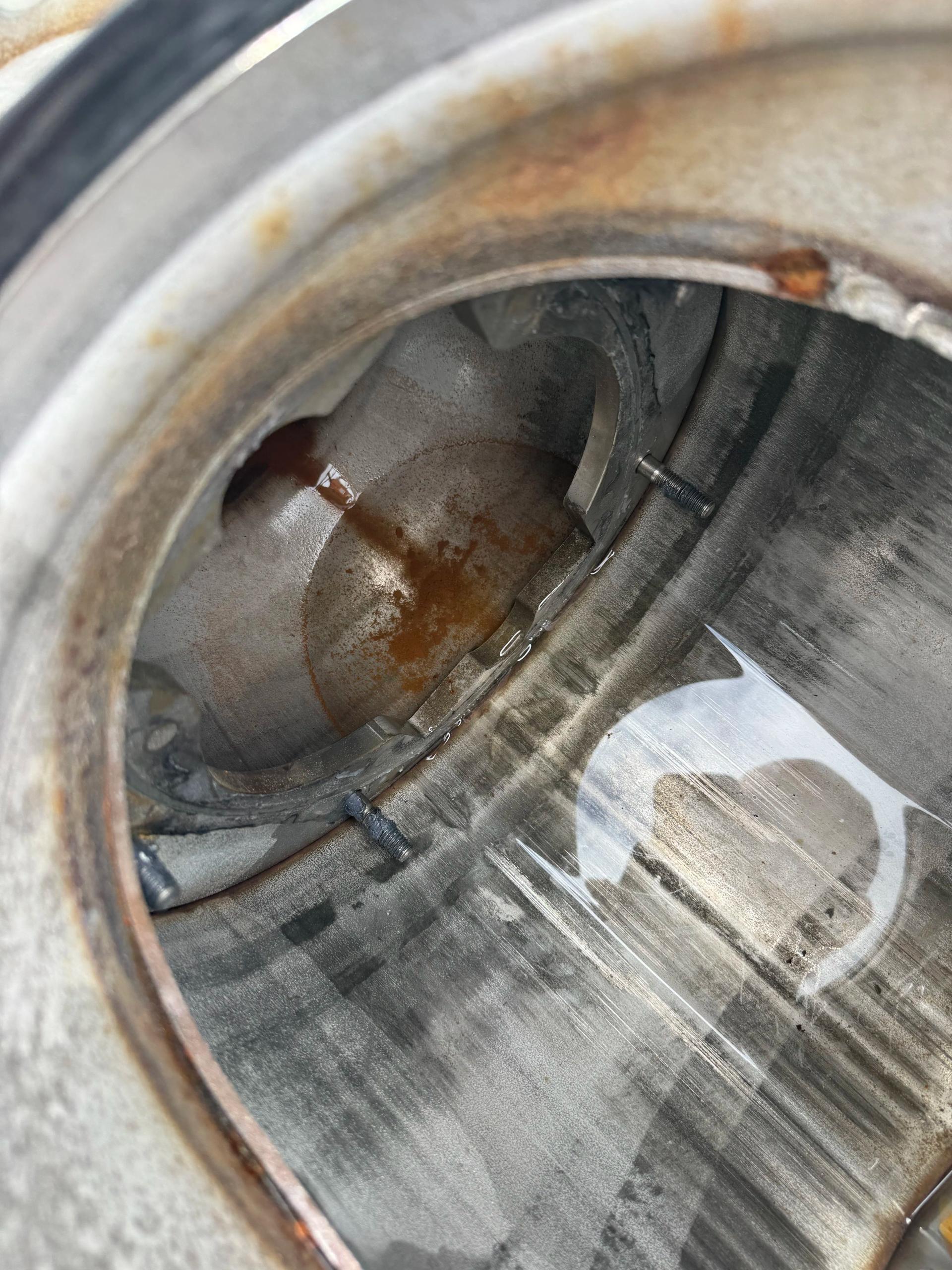
When we open up a backflow preventer and find rust buildup, sediment, and worn internal components, that's usually the culprit. That kind of contamination doesn't happen overnight. It builds up gradually, and without regular cleaning and inspection, it quietly degrades the performance of the entire system. By the time it shows up as a failed test, the assembly has often been struggling for a while.
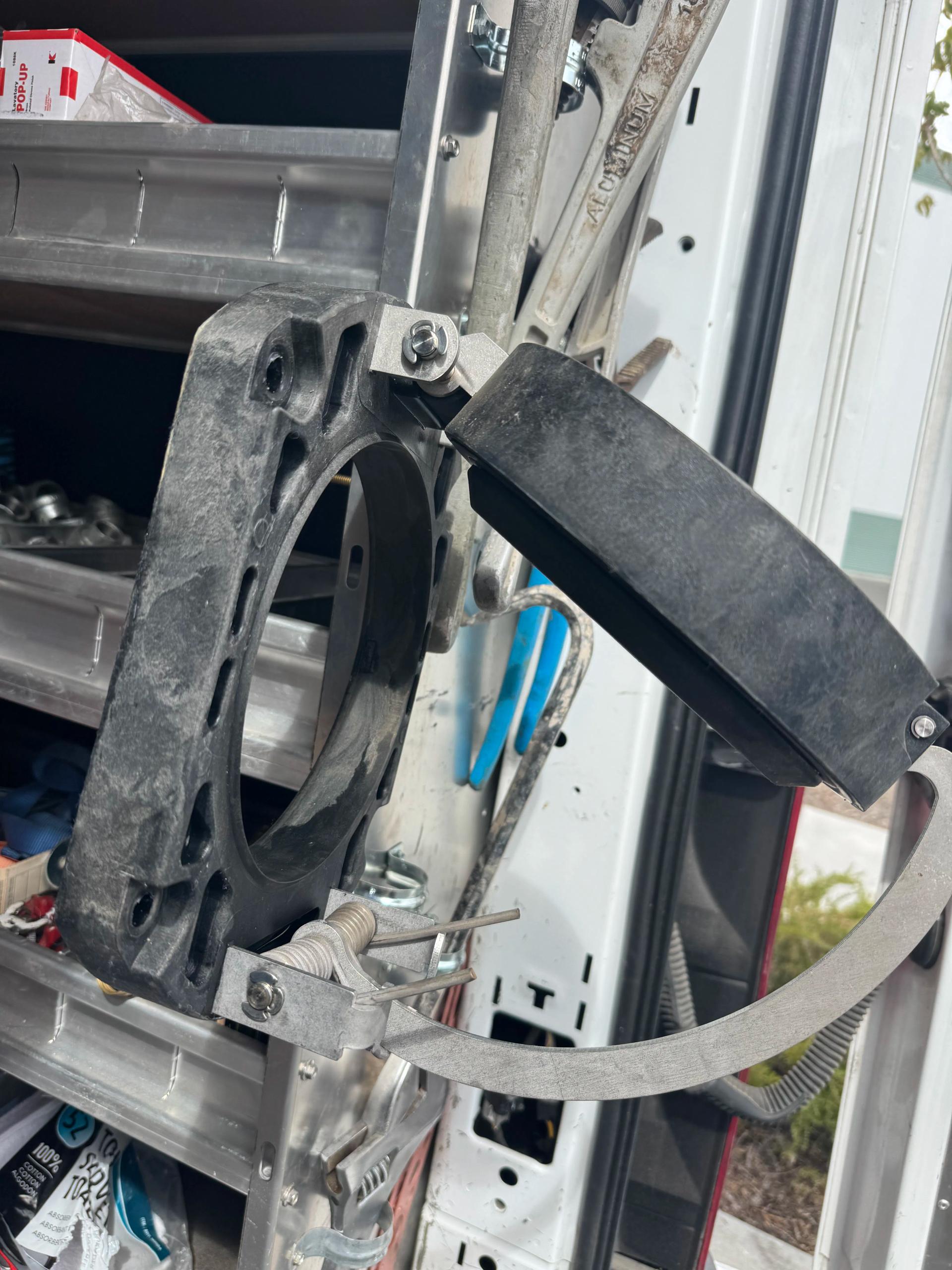
The clapper assembly - the internal valve mechanism that actually prevents water from flowing backward into the supply line - takes the most wear. When debris and corrosion get in there, the seating surface can't close properly. That's when you start failing tests and risking compliance issues with your local fire authority.
Cleaning and servicing the internals of a backflow preventer isn't a complicated job when you stay on top of it. It gets a lot more involved when you let it go too long. We always recommend routine backflow testing and maintenance so small issues get caught before they turn into a full repair or replacement situation.
If you've received a failed test notice - or if you honestly can't remember the last time your backflow device was serviced - that's worth addressing sooner rather than later. Keeping your fire suppression system compliant and reliable starts with the backflow assembly that feeds it.