What Condensate Does to the Wrong Pipe Over Time
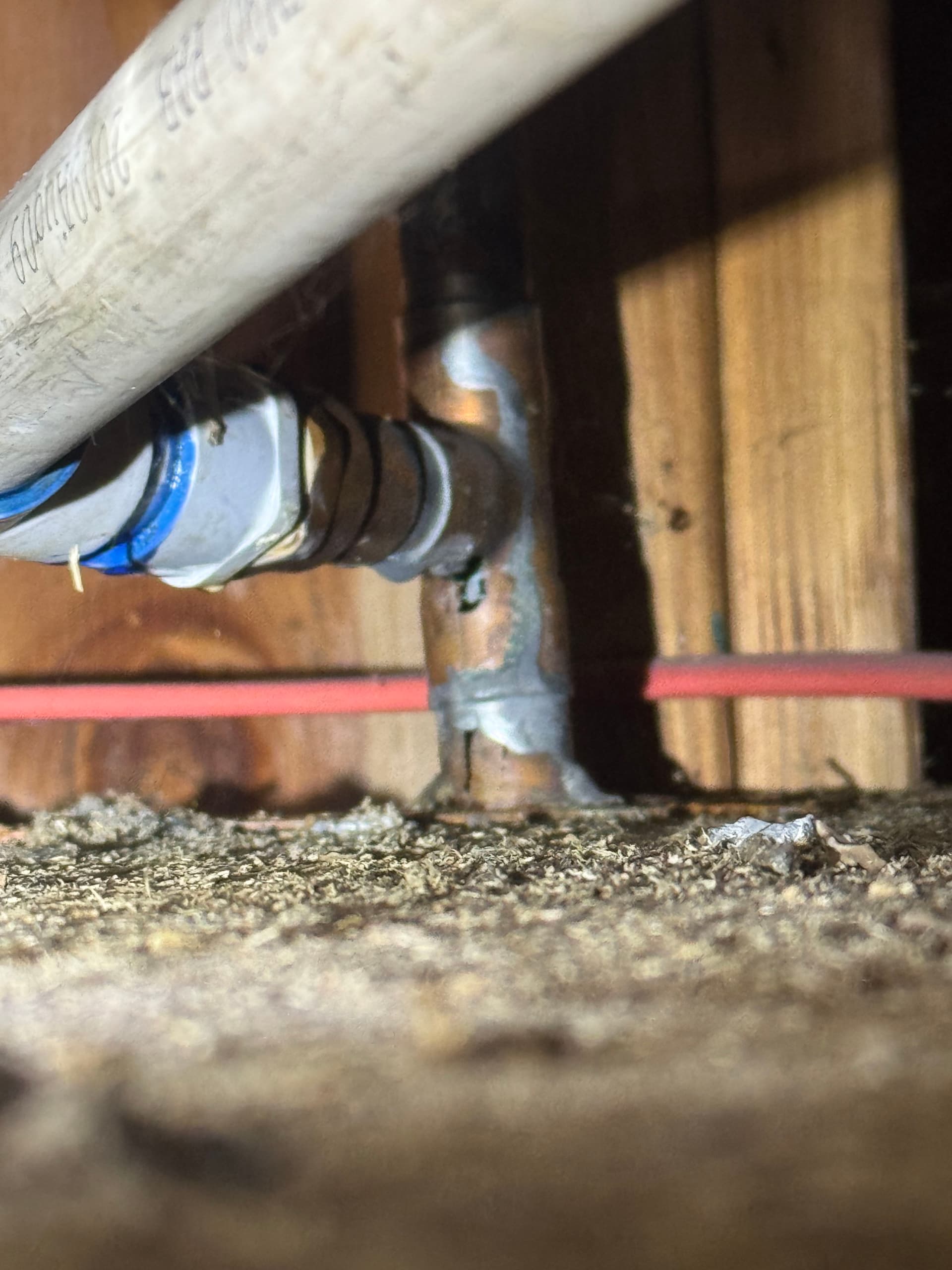
Condensate gets ignored a lot. It looks like harmless dripping water - and most homeowners never think twice about it. But here's the thing: condensate is acidic. When it's routed through or drips onto the wrong piping materials, it slowly eats away at the metal. You won't see it happening. That's what makes it dangerous.
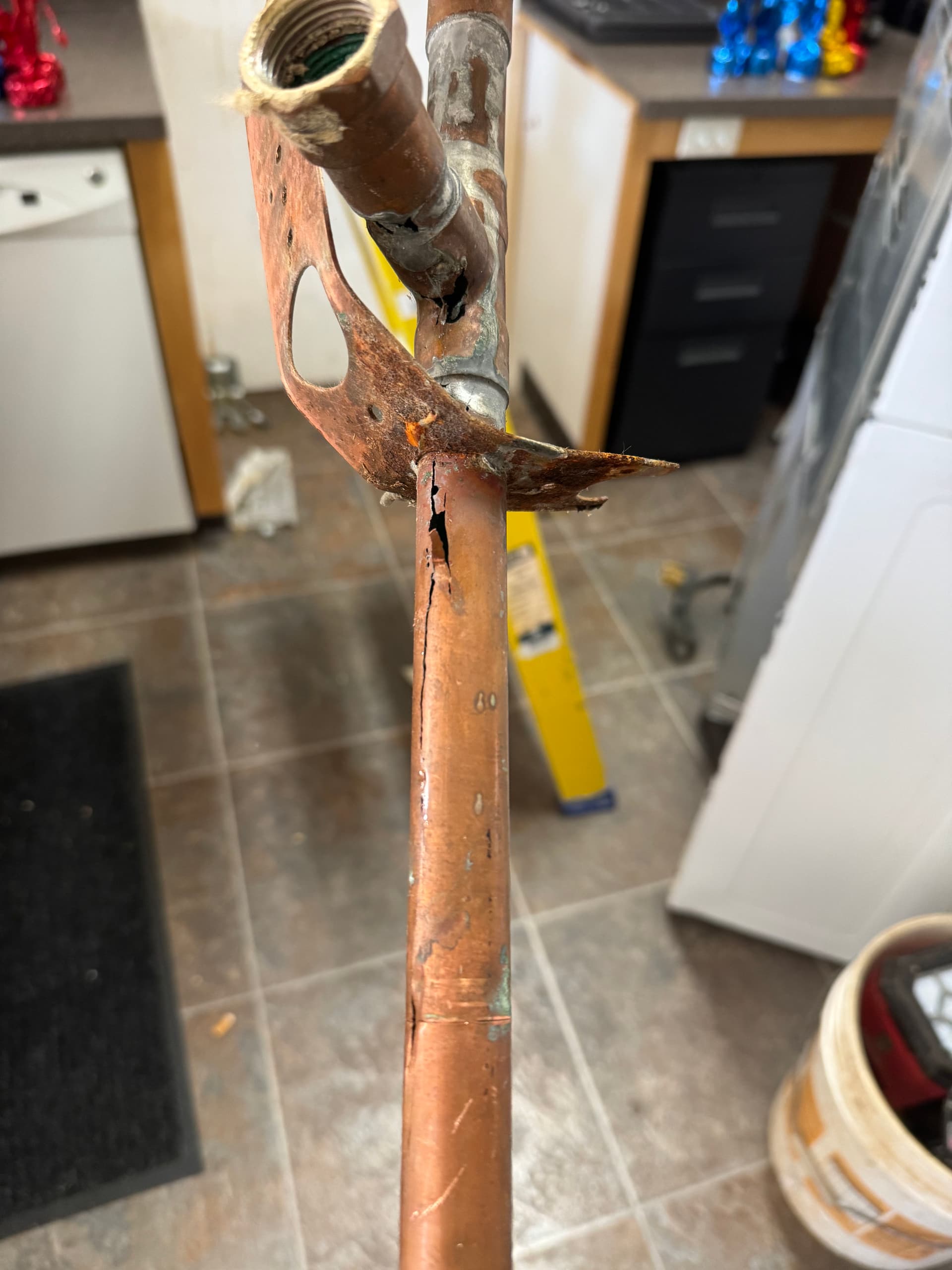
What you're looking at here is the result of exactly that. The copper pipe we pulled out is completely eaten through - large holes, cracked walls, and corrosion that worked its way deep into the metal over time. This wasn't a slow drip situation anymore. This pipe had failed, and it had been quietly doing damage long before anyone knew there was a problem.
This is why material selection matters so much in plumbing. It's not just about grabbing whatever pipe fits. You have to account for what's flowing through it, what's dripping onto it, and what the environment around it looks like. When those details get skipped, you end up with exactly this - corrosion hiding inside walls or tucked away in a crawl space where nobody's looking.
We catch these issues through proper leak detection and by taking the time to actually inspect what's going on behind the scenes. A lot of times, the visible leak is just the symptom. The real problem started somewhere else, weeks or months earlier. Finding that source and fixing it with the right materials is what keeps it from happening again.
If your home has older plumbing or you've noticed any unexplained moisture - musty smells, soft spots in drywall, higher water bills - it's worth having someone take a look. The earlier you catch it, the less damage you're dealing with.