Why a Small Backflow Part Is a Big Deal
Most homeowners don't think twice about their backflow preventer. It sits outside, tucked near the irrigation system or main line, and nobody really checks on it. But here's the thing - when one small internal component goes bad, it can cause leaks, pressure problems, or worse, allow contaminated water to flow back into your clean water supply.
That's exactly the kind of issue we deal with regularly. A backflow preventer is made up of several small parts - rubber seals, check valves, and disc assemblies. When debris or mineral buildup gets in there, or a seal starts to wear out, the whole unit can fail its test. And a failed backflow test isn't just an inconvenience. In many areas, it's a code violation that needs to be corrected fast.
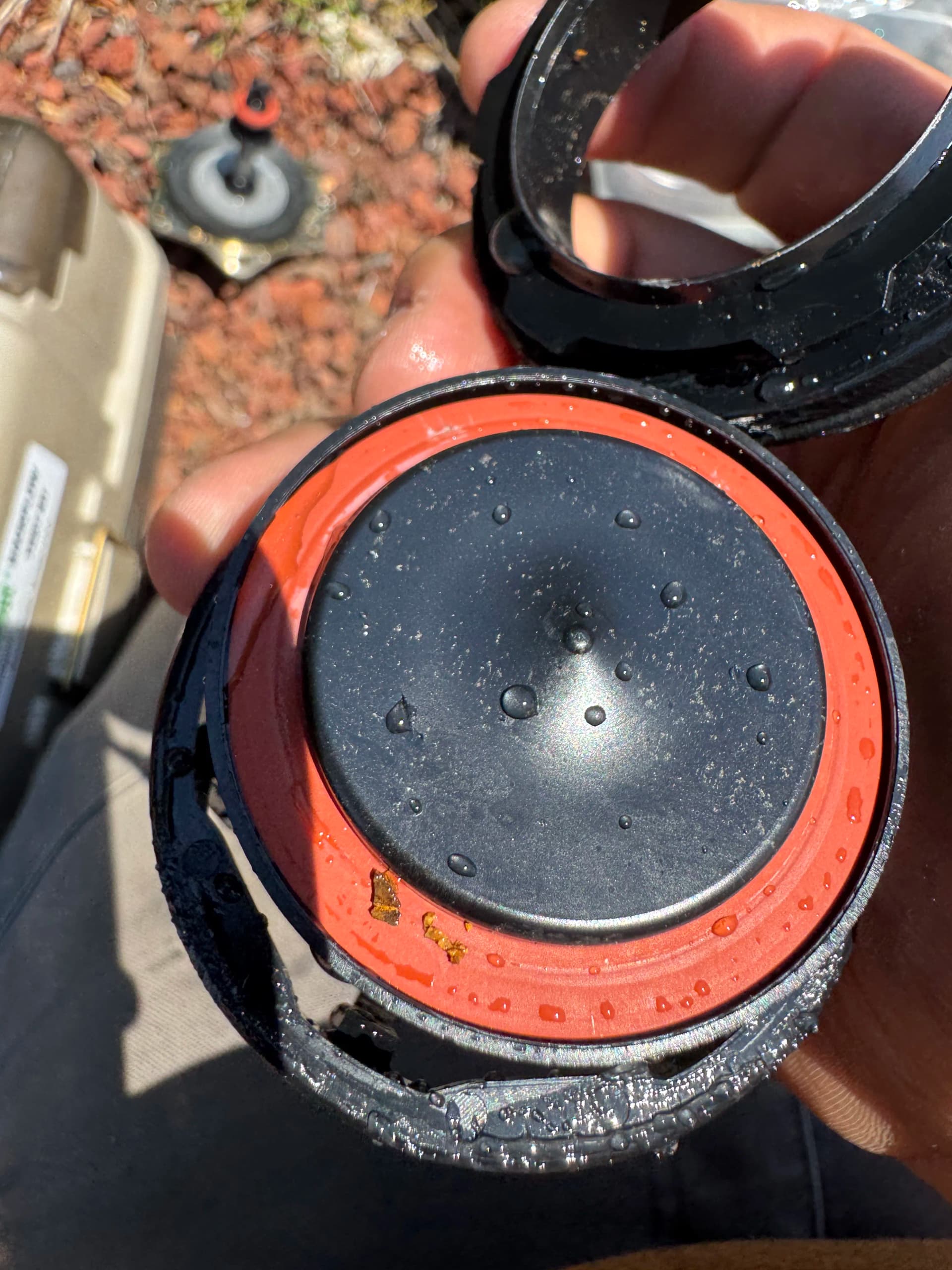
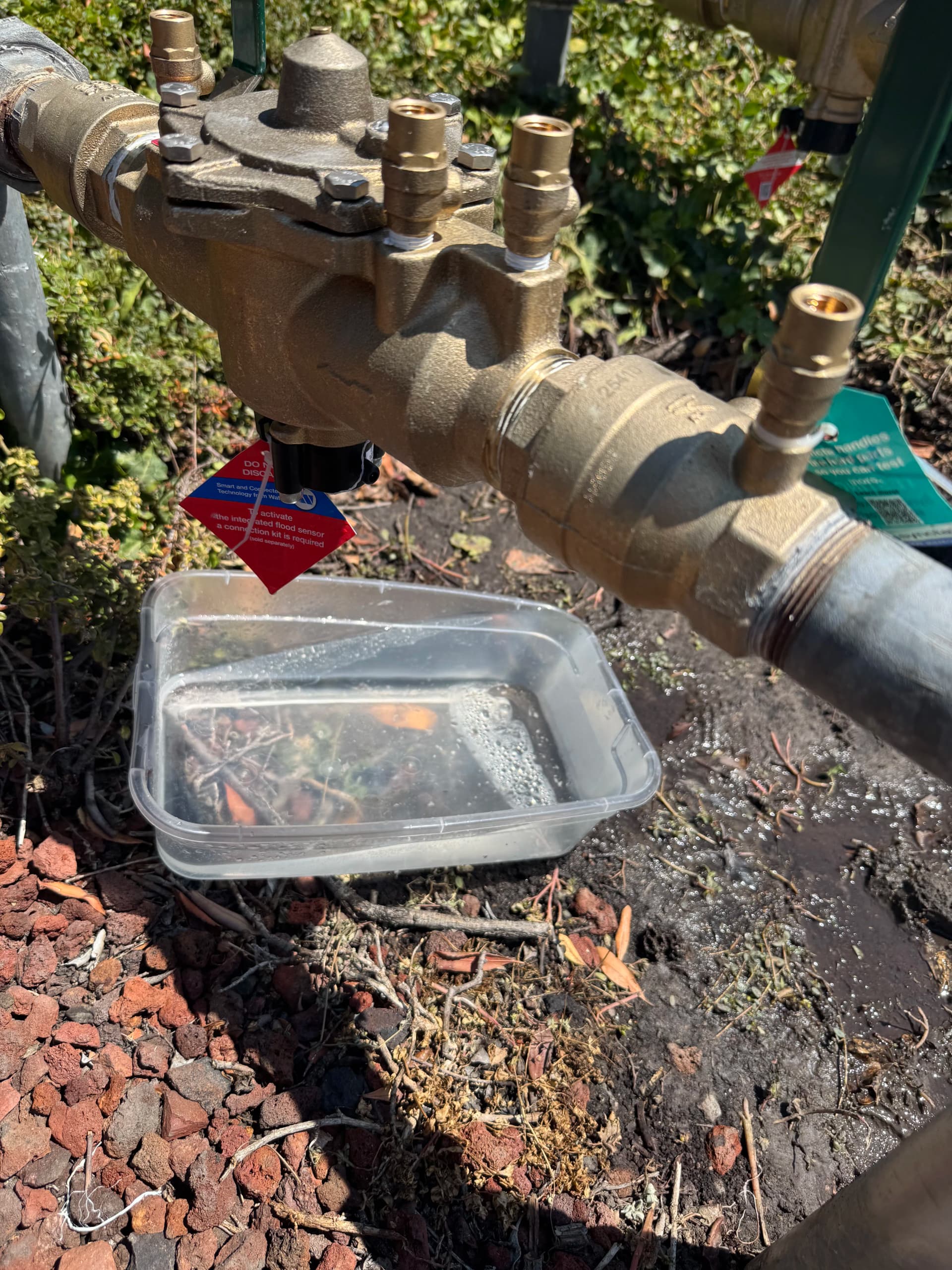
When we open up a unit and find debris sitting on the seals or rust starting to build up around the gasket, that's a unit that was quietly failing. Left alone, it either starts leaking or stops doing its job of protecting your water supply. That container catching water underneath an active drip tells the same story - this system needed attention.
Regular backflow testing is what catches these issues before they become expensive. We test the unit, document the results, and if something's off, we repair it on the spot when we can. It's a straightforward service that protects something pretty important - the water your family drinks, cooks with, and bathes in.
We handle backflow testing and repair for residential and commercial properties. If you haven't had your unit tested recently, or if you know it's been leaking, don't sit on it. This is one of those small things that's much easier to deal with early.